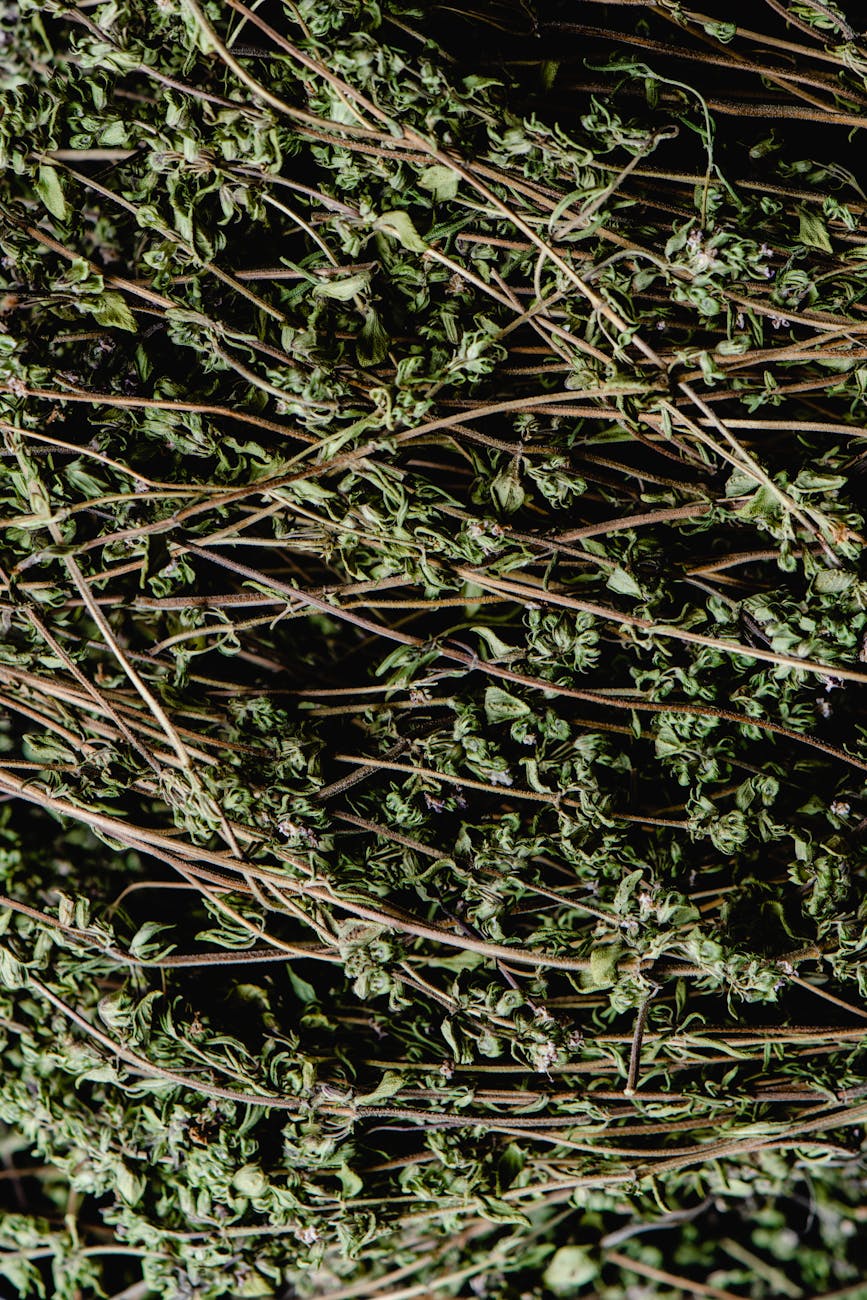
The Poisoner’s Garden: Herbs of Shadow and Light

“Double, double toil and trouble; Fire burn and cauldron bubble.” – William Shakespeare

The Duality of Roots

In the moonlit corners of the poisoner’s garden, where shadows cling like loyal familiars, grow herbs that defy simple categorisation. They are both healers and destroyers, keys to visions and locks on forbidden doors. Tonight, we wander among two of those enigmatic herbs. Handle them with reverence- or regret.

Belladonna: The Silent Siren

Deadly nightshade, fairest of poisons

Belladonna’s glossy black berries and star shaped flowers have lured the curious to their doom for centuries.

A History Steeped in Blood and Vision

A plant with ancient origins, named Atropa Belladonna for the Greek goddess Atropos, the Fate who cuts the thread of life. Roman assassins dipped arrows in its sap, while priestesses of Delphi allegedly inhaled its fumes to commune with Apollo’s oracle. The use of Belladonna as a poison was known as far back as Roman times, with rumours claiming that Livia Drusilla used it to murder her husband, the emperor Augustus.

By the Middle Ages, it became a key ingredient in a ‘flying ointment’ said to be used by witches to induce trances. The hallucinogenic alkaloids (atropine, scopolamine) blurred the line between ecstasy and agony, birthing tales of broomstick flights and Sabbaths with the Devil.

In the middle ages, Venetian women dripped its juice into their eyes to dilate pupils- a dangerous fashion trend immortalised in its name, meaning beautiful lady. Even Goethe wrote of its allure in Faust where it symbolises forbidden knowledge.

Mandrake: The Screaming Root

Mandrake, the little man of the earth.

Its forked root, said to scream when pulled from the soil, has fuelled legends from Babylon to Hogwarts.

A Root Wrapped in Myth and Terror

In Ancient Egypt, Mandrake was buried in pharaohs’ tombs as a gateway to the afterlife. The Hebrew Bible references it as a fertility charm, with Rachel bartering mandrakes for Jacob’s love (Genesis 30:14-16). The myth of mandrake was further deepened in Greek lore as Hippocrates prescribed it for melancholy, albeit sparingly, while Dioscorides warned in De Materia Medica that its cry could kill harvesters. Pliny the Elder claimed sorcerers wore it as an amulet to defy fate.

In Medieval Europe apothecaries sold mandrake manikins- carved from bryony roots, claiming they guarded against plague and poverty. German folklore said they grew beneath the gallows from the semen of hanged men. Shakespeare himself immortalised the dread of mandrakes in Romeo and Juliet: “Shrieks like mandrakes torn out of the earth.”

Reflections

Belladonna and mandrake are not merely plants- they are mirrors. They reflect humanity’s oldest obsessions: the hunger for transcendence, the fear of mortality, the dance between sin and salvation. To walk their history is to walk a knife’s edge, where poison and cure are divided by a breath.

I gather these with gloved hands, and a humbled heart. They remind me that every garden holds graves, every remedy a requiem.

This post explores historical and folkloric uses of plants. They are toxic and should only be handled with the utmost care.

Herbs For Healing: The Earth’s Ancient Wisdom

From root to bloom, the earth offers us its ancient wisdom- a tapestry of healing, magic and memory woven into every leaf and petal.

The Language of Herbs

Long before modern medicine, there were herbs. These humble plants, with their roots deep in the soil and their leaves reaching for the sun, have been our allies for millennia. They are whispers of the earth, keepers of secrets, and healers of both body and soul.

in folklore, herbs are often imbued with magical properties. Lavender is said to calm the mind and protect against nightmare. Rosemary is a symbol of remembrance, its scent carrying the memories of those we’ve lost. Chamomile, with its golden heart, is a balm for the spirit, soothing anxiety and inviting rest.

This folklore and tradition are not just empty words and fanciful ideas passed down from generation to generation- they are reminders of the deep connection between humans and the natural world. To work with herbs is to step into that ancient relationship, to listen to the whispers of the earth, and to trust in its wisdom.

Herbs for Healing

Here are a few herbs that have been cherished throughout human history for their healing properties.

Lavender: The Soother of Souls

In medieval Europe, lavender was believed to ward off evil spirits and protect against the plague. It was often placed under pillows to bring peaceful dreams. In modern times, it is used to calm anxiety, promote sleep, and ease headaches.

Suggested uses:

  • Brew a cup of lavender tea, just before bed, to promote sleepiness and peaceful dreaming.
  • Add a few drops of lavender essential oil to a diffuser or bath to bask in the soothing aroma.
  • Create a sleep sachet with dried lavender and place it underneath your pillow to calm your mind before sleep.

Rosemary: The Herb of Remembrance

In ancient Greece, students wore rosemary wreaths to enhance their memory during exams. It was also used in wedding ceremonies to symbolise loyalty and fidelity. Still today, rosemary is lauded for its memory-boosting attributes along with its circulation boosting properties.

Suggested uses:

  • Infuse rosemary into olive oil for a soothing massage- the herb is known to relieve muscle pain.
  • Add fresh rosemary to soups or roasted vegetable for a flavourful boost.
  • Burn rosemary as incense to clear negative energy.

Chamomile: The Golden Healer

In Egyptian mythology, chamomile was associated with the sun god Ra, and was used in rituals to honour the divine. Its uses are less celestial now, but it is useful in soothing digestive issues, reducing inflammation and promoting relaxation.

Suggested uses:

  • Brew a cup of chamomile tea whenever anxiety takes over or stress levels become high.
  • Add chamomile flowers to a warm bath for a soothing soak.
  • Create a facial steam with chamomile to cleanse and refresh the skin.

Peppermint: The Energising Spirit

In Greek mythology, peppermint is tied to the story of the nymph Mentha, who was transformed into the plant by the goddess Persephone. We can thank the jealous spirit of Persephone for this herb then, as it is used today to relieve nausea, ease headaches and boost energy

Suggested uses:

  • Brew a cup of peppermint tea in the morning to aid digestion and bloating. It will also invigorate the senses.
  • Add a few drops of peppermint essential oil to a diffuser for a refreshing aroma.
  • Crush fresh peppermint leaves and inhale their scent to relieve headaches.

Echinacea: The Immune Ally

Native American tribes have used echinacea throughout history to treat wounds, infections, and snake bites believing it to be a powerful protector. This ancient wisdom was not wrong- echinacea has been proven to help fight infections, reduce inflammation and boost the immune system.

Suggested uses:

  • Brew echinacea tea at the first sign of a cold or flu.
  • Take echinacea supplements to support immune health.
  • Create a tincture with echinacea root to store for long term use.

A Ritual for Healing

To honour the healing power of herbs, try this simple ritual.

  1. Gather your Herbs: Choose one or more herbs that resonate with your needs (e.g., lavender for calm, rosemary for clarity).
  2. Create a Sacred Space: Light a candle and arrange your herbs.
  3. Set an Intention: Hold the herbs in your hand and whisper your intention (e.g., “May I find peace,” “May I be healed”).
  4. Brew a Tea or Infusion: Use the herbs to create a tea or infusion, focussing on your intention as you prepare it.
  5. Give Thanks: Thank the earth for its gifts and the herbs for their wisdom.

Herbs are more than just plants- they are our teachers, our healers, and our allies. They remind us that the earth is alive, that it holds the answers we seek, and that we are never truly alone.

So, the next time you feel lost or weary, turn to the herbs. Let their whispers guide you, their wisdom heal you, and their magic remind you of the beauty and power to be found in the natural world.

From root to bloom, the earth’s ancient wisdom is here for us- if we only listen.