Thresholds and Covenants: A Journal Entry

“The past is never dead. It’s not even past.”- William Faulkner

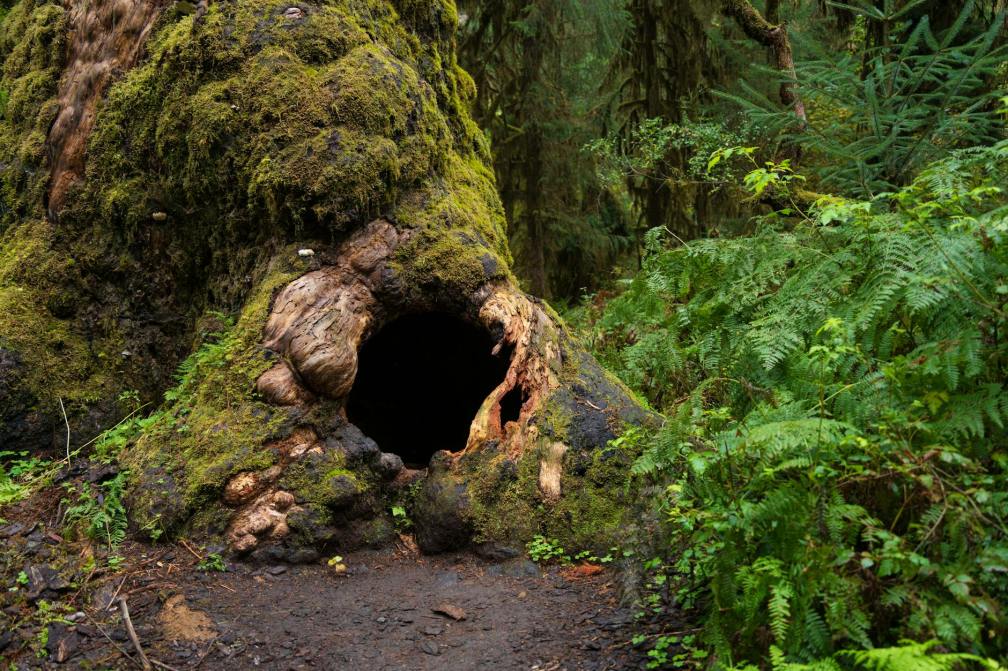
The forest is a keeper of thresholds. Rivers, crossroads, and moonlit glades are its well-known gateways, but hollow oaks- split by lightning and hollowed by time- are quieter, darker doors. I found it weeks ago, its trunk cracked like an ancient tome, its roots cradling secrets older than the village beyond the trees.

Inside, wrapped in linen the colour of a weathered bone, lay a blade. Not rusted, thought its edge was dull. Not ornate, though its hilt bore runes that prickled the skin like static. It hummed in my palm, a sound felt more than heard, as if vibrating in tune with the marrow of the world.

The Language of Unseen Things

Hollow trees are not mere shelters for owls or foxes. In Celtic lore, they are portals to the fairy realms. Offerings of milk or bread are left to appease their keepers, but this blade was no offering. It was a key. Or a lock. Or both.

The runes defied translation. Not like anything I have seen before- perhaps something older, something ties to the nameless things that walked the woods before the stones I stumble on were set in place. The blade’s purpose lingers just beyond reach, like a word forgotten mid-sentence.

Dreaming

The blade now rests on my desk, next to dried hawthorn and a jar of storm water. It hums at odd hours, a sound that slips into dreams. Last night I dreamt of a weaver that was not weaving, but instead unravelling. Threads snapped like sinew as she laughed.

I woke with dirt beneath my nails, the journals pages smudged with ink and a refrain echoing through my mind: not all doors should be opened. Coincidence? The forest does not deal in coincidence.

Reflections

I returned the blade to its oak today. Left it swaddled in fresh lines, a sprig of rue, and three drops of blood- an offering, apology, and plea. The wind hissed through the hollow but whether in acceptance or scorn, I cannot say.

The forest guards its thresholds jealously. Some secrets are not meant to be found. Some blades are not meant to be held.

Whispers in the Dark: A Musing on Gothic Literature

“There are darknesses in life and there are lights, and you are one of the lights, the light of all lights.”- Bram Stoker, Dracula

The Allure of the Shadows

There is something irresistible about the dark. Something irresistible about the way it curls at the edges of our vision, the way it whispers secrets we can almost, but never quite, understand. Gothic literature understands this allure. It does not shy away from the shadows; instead, it steps into them, lantern in hand, and shows us the beauty that lies within.

From crumbling castles to moonlit moors, from brooding antiheroes to tragic heroines, Gothic literature is a dance between light and dark, the seen and the unseen. It is a genre that thrives on atmosphere, on the tension between what is real and what is imagined, between what is said and what is left unsaid.

The Haunting of Wuthering Heights

Take, for example, Emily Brontë’s Wuthering Heights. It is a novel that pulses with raw, untamed emotion, a story that feels less like a book and more like a living, breathing entity. The moors are not just a setting; they are a character, wild and untamed, reflecting the inner turmoil of Heathcliff and Catherine.

Heathcliff himself is the embodiment of the Gothic antihero- dark, brooding, and consumed by a love that is as destructive as it is passionate. Catherine is his equal, a woman torn between societal expectations and her own wild heart. Their love is not sweet or gentle; it is fierce, consuming, and ultimately tragic.

But it is not just the characters that make Wuthering Heights a masterpiece of Gothic literature. It is the atmosphere- the howling wind, the ghostly presence of Catherine at the window, the sense that the past is never truly gone, but lingers, haunting the present.

The Power of the Unseen

Gothic literature is, at its heart, a genre of the unseen. It is about the things that lurk just beyond the edge of our vision, the things we feel but cannot name. It is about the power of suggestion, the way a single word or image can evoke a sense of dread or longing.

In Mary Shelley’s Frankenstein, it is not the monster that is truly terrifying, but the idea of the monster- the fear of what happens when man plays god, when science oversteps its bounds. In Edgar Allen Poe’s The Tell-Tale Heart, it is not the act of murder that chills us, but the sound of the heartbeat, the creeping sense of guilt and madness.

Gothic literature is a genre that transcends itself; it is a mirror, a guide, a reminder. It shows us the beauty that can be found in darkness, the power in the unseen, and the complexity of the human heart.

So, pick up a book, and step into the shadows where the whispers are waiting and there are stories ready to be told.