“Nature is not a place to visit. It is home”
The Language of Roots and Rot
Folk magic does not shout. It murmurs in the rustle of leaves, hums in the marrow of decaying logs, and sighs through the hollows where shadows gather. To understand it, one must learn the dialects of the wind- the symbology of fungi, the omens carried on raven wings, the stories etched into bark by time and weather. Here, we wander through the lexicon of the unseen.
Trees: The Archivists of Earth
The tree is a tongue that speaks to the wind, a bridge between the living and the dead.
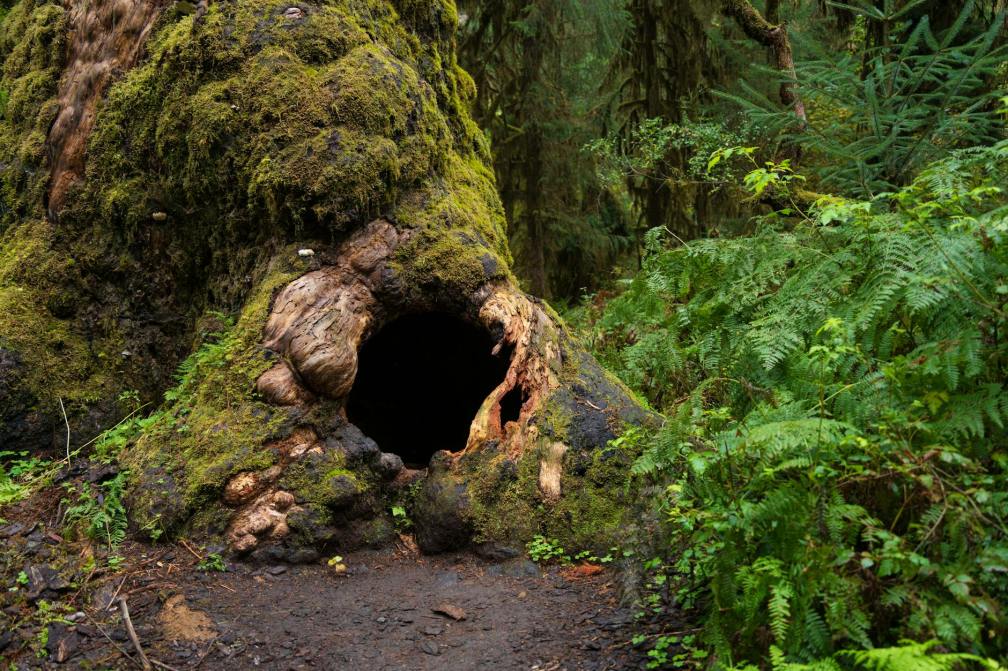
Trees are more than sentinels; they are living chronicles. The yew, with its blood-red berries and tocid embrace, guards graveyards as a reminder of death’s fertility. The rowan wards of restless spirits with its scarlet clusters- a beacon against the unseen. Ancient oaks anchor let lines, their roots threading through underworlds, their branches cradling starlight.
Folklore: In some Celtic traditions, carrying rowan wood protects against enchantment. To harm a hawthorn, however, invites the wrath of the fairy realms.
Fungi: The Alchemists of Decay
The mushroom is nature’s hieroglyph- a cipher written in rot and rebirth.
Fungi thrive in liminal spaces, dissolving death into life. Fairy rings- circles or mushrooms- mark gateways to Otherworld revelries, where time bends and mortal feet stumble. The fly agaric, scarlet and speckled, fuels Siberian shamans’ visions, while the death cap hides its venom in plain sight, a reminder that beauty and peril share the same soil.
Folklore: Breton lore warns that stepping into a fairy ring binds you to dance until you are freed by madness or death.
Birds: Omens on Feathered Wings
The crow’s call is a funeral dirge; the owl’s cry, a widow’s lament.
Birds are translators between realms. Ravens, Odin’s spires, carry secrets from battlefields to gods. Owls, Athenian emblems of wisdom , are also harbingers of death in Welsh myth- their hoots echoing the Ankou, a grim reaper. Even the wren, tiny and plain, holds power: Irish tradition claims it betrayed martyrs, earning its title Devil’s Bird.
Folklore: A lone magpie at dawn signals sorrow, but two bring mirth- a duality captured in a famous rhyme.
Rivers: The Veins of Memory
Water remembers what the land forgets.
Rivers are thresholds. The Styx ferries souls to Hades; the Boyne cradles Ireland’s myths. To ancient Celts, depositing swords or torcs in water honours the gods of the deep. Even today, well dressing in Derbyshire threads petals into sacred patterns, a plea for the springs’ benevolence.
Folklore: Throwing coins into wells once fed the spirits within- a pact of copper for clarity, silver for healing.
The Moon: A Mirror of the Unseen
The moon does not fight. It attacks no one. It does not worry. It simply shines
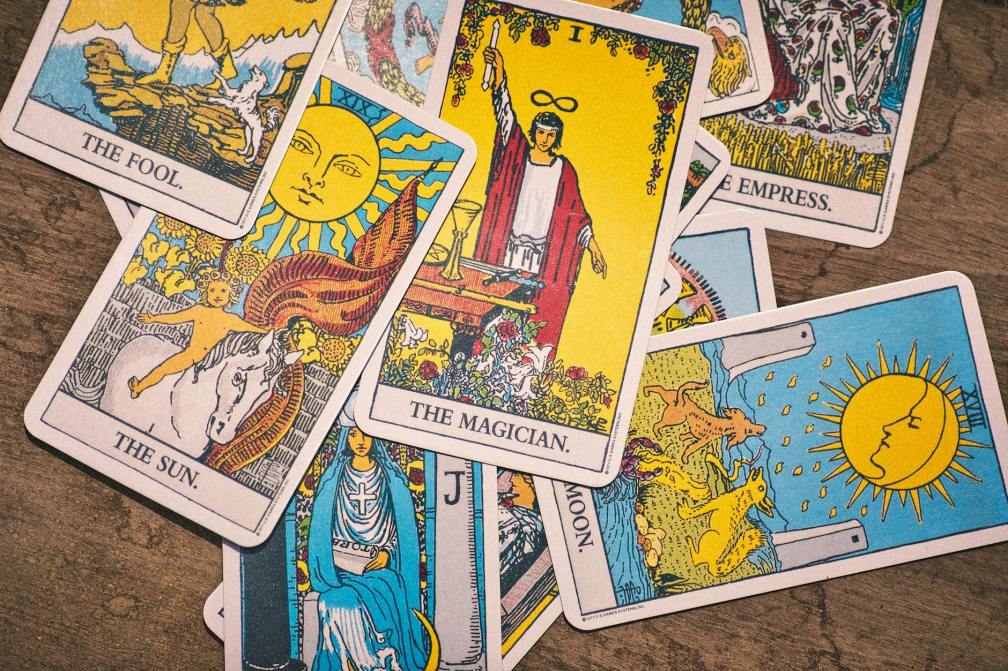
The moon’s phases are a grimoire. The new moon cloaks intentions in shadow, a time for sowing silent wishes. The full moon illuminates truths, its light a scalpel for lies. Waning crescent? A blade to sever ties. Folk magic hungers for lunar silver- charging talismans in its glow, harvesting herbs under its gaze, whispering pleas to its cold, unblinking eye.
Folklore: Romanian farmers once sowed seeds at the full moon to ensure fertility while Breton fishermen refused to set sail under a waning crescent.
Reflections
The forest speaks in riddles. A raven’s croon, a mushroom’s bloom, the way moonlight pools in a hollow stump- these are not accidents. They are fragments of a language older than temples, older than prayers. It is said the to know a thing’s name is to bind it, but perhaps the wild asks for something gentler: to listen, to kneel, to let the world’s whispers etch themselves into your bones.
 Ivy Reid